BUILT FOR
For the people who keep the wilderness safe.
PARKS & AGENCIES
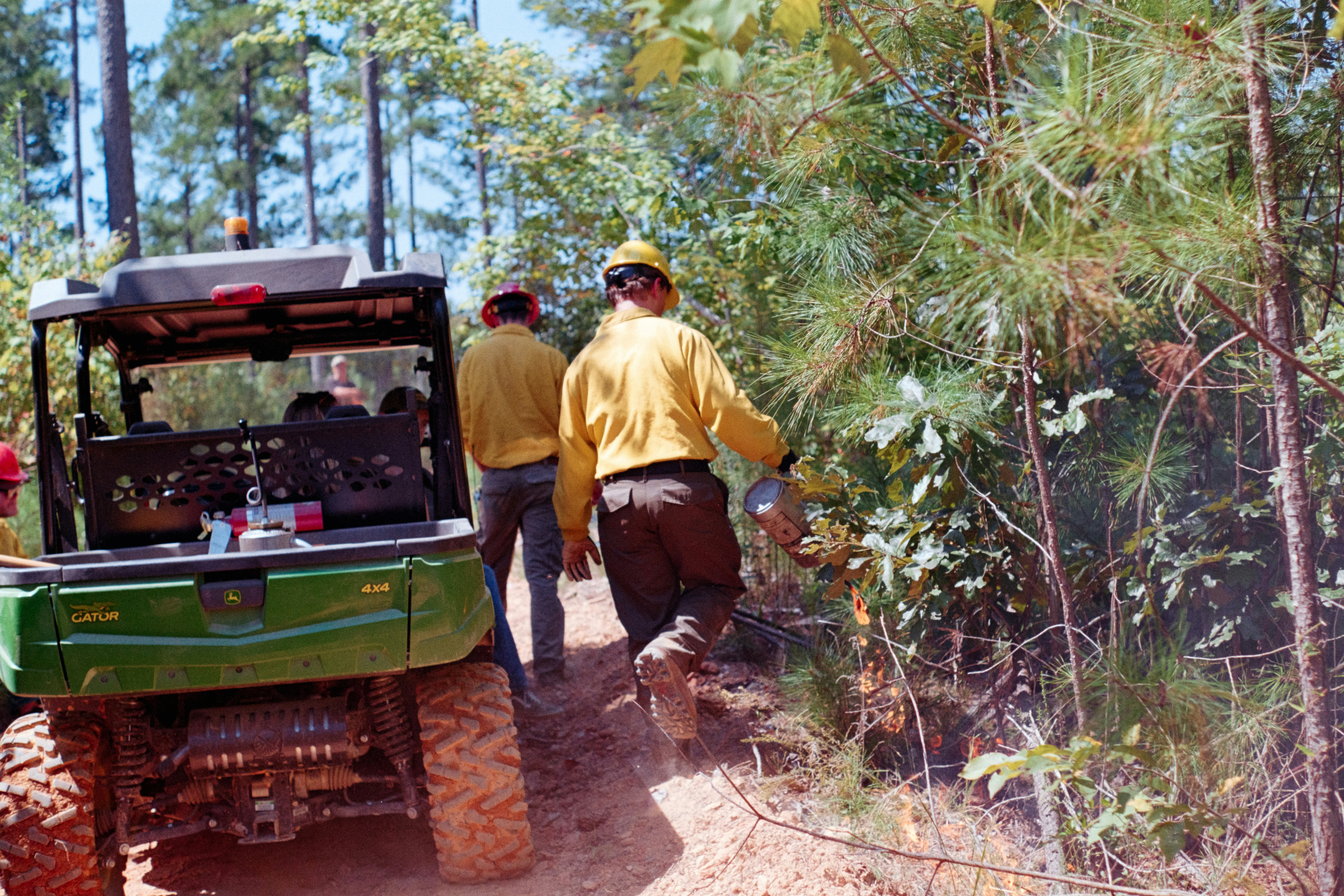
Plan with evidence, not estimates.
Direct maintenance, closures and signage with real numbers — not parking-lot cameras or permit guesses.
↳Objective trail-activity tracking — peak loads, flow & seasonal trends.
 Erik Morales
SEARCH & RESCUE
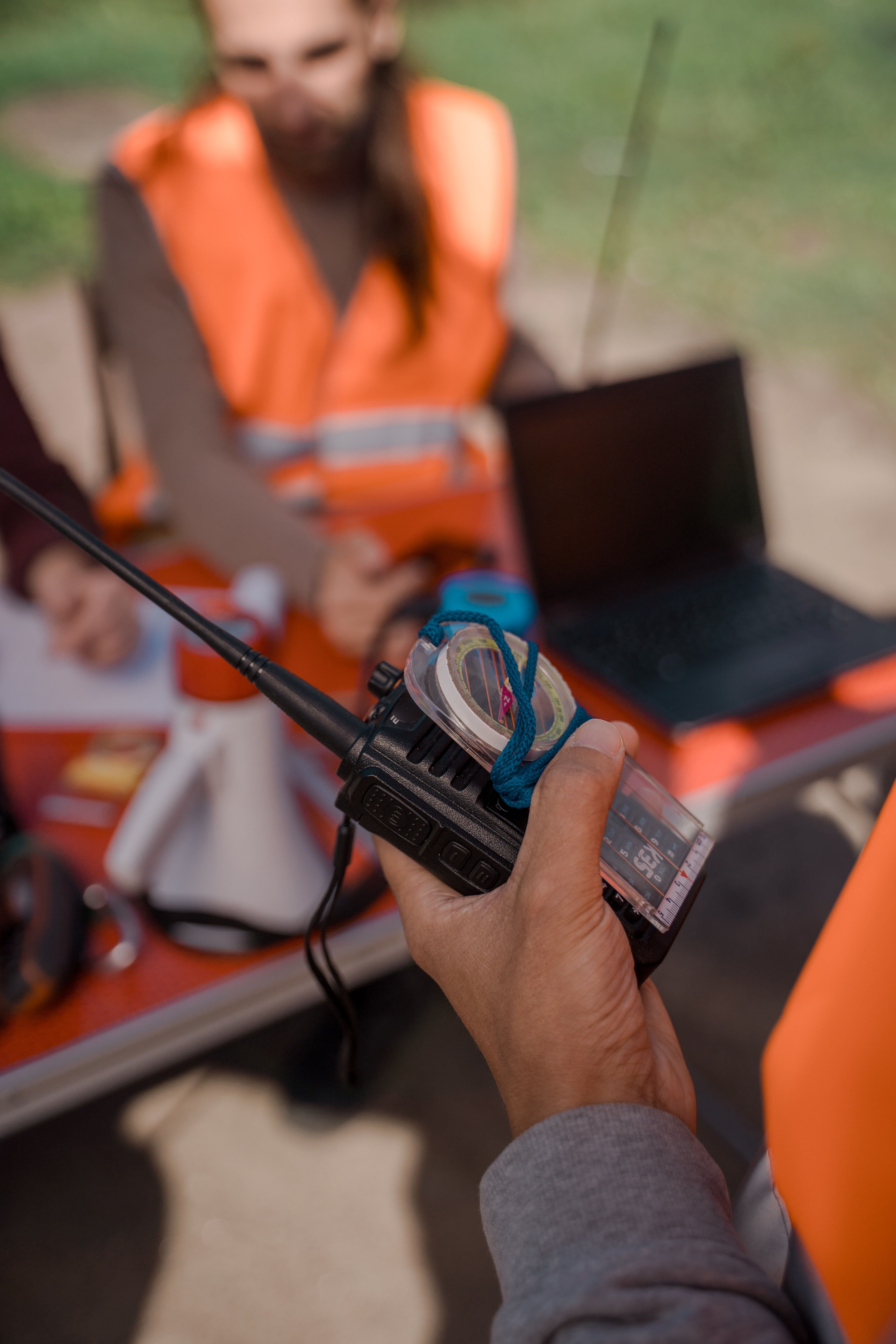
A real starting point when minutes matter.
TrailSpot logs anonymized last-known positions along the trail, so teams launch toward signal instead of a blank map.
↳Last-known-position breadcrumbs cut search area 60–80%.
 Ron Lach
WILDFIRE & FORESTRY
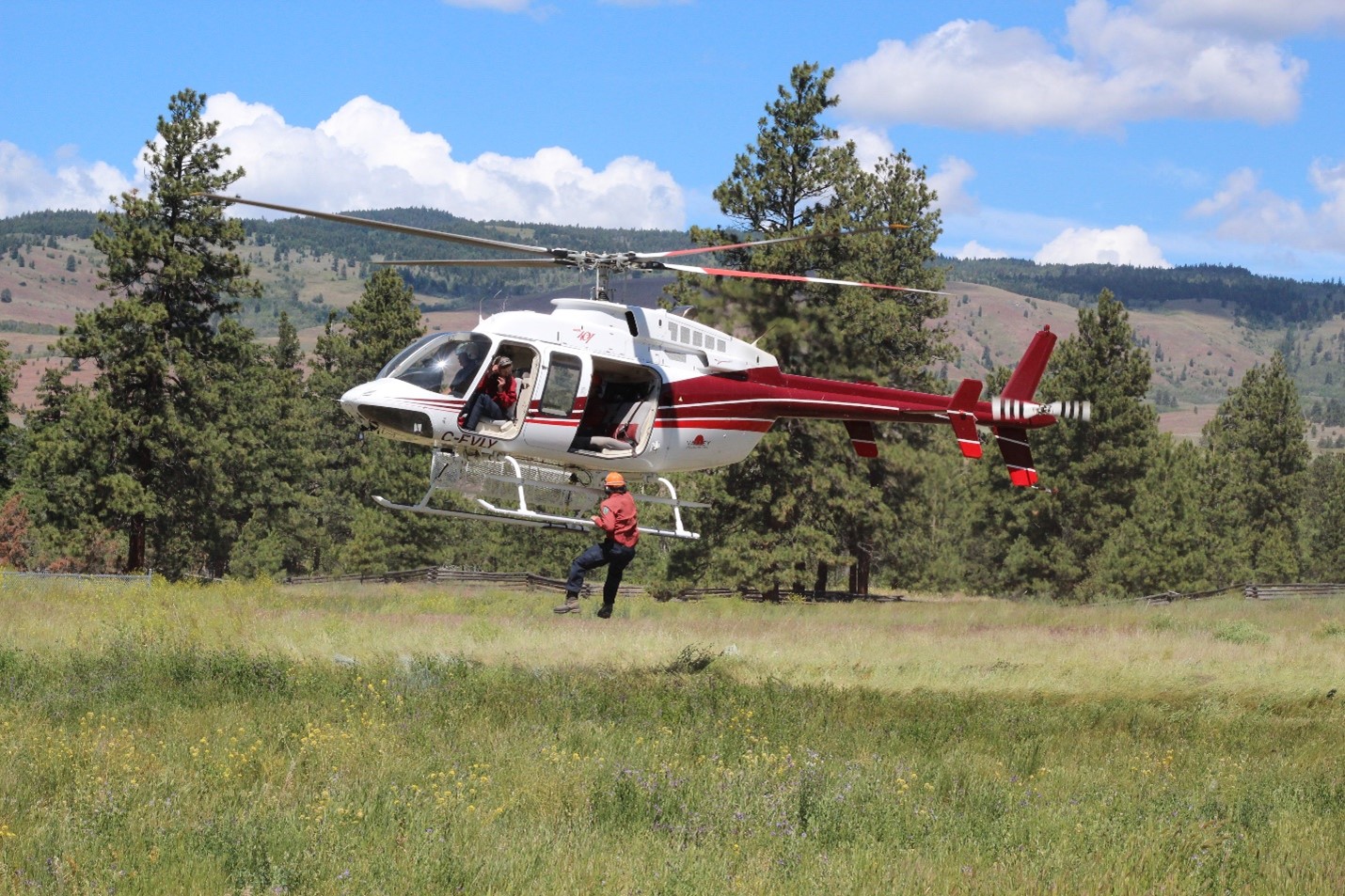
Catch ignition before it spreads.
Distributed air-quality sensors detect smoke at the source and triangulate the ignition point across adjacent nodes and wind direction.
↳Early smoke detection — hours instead of days.
 bcwildfire.ca
PUBLIC
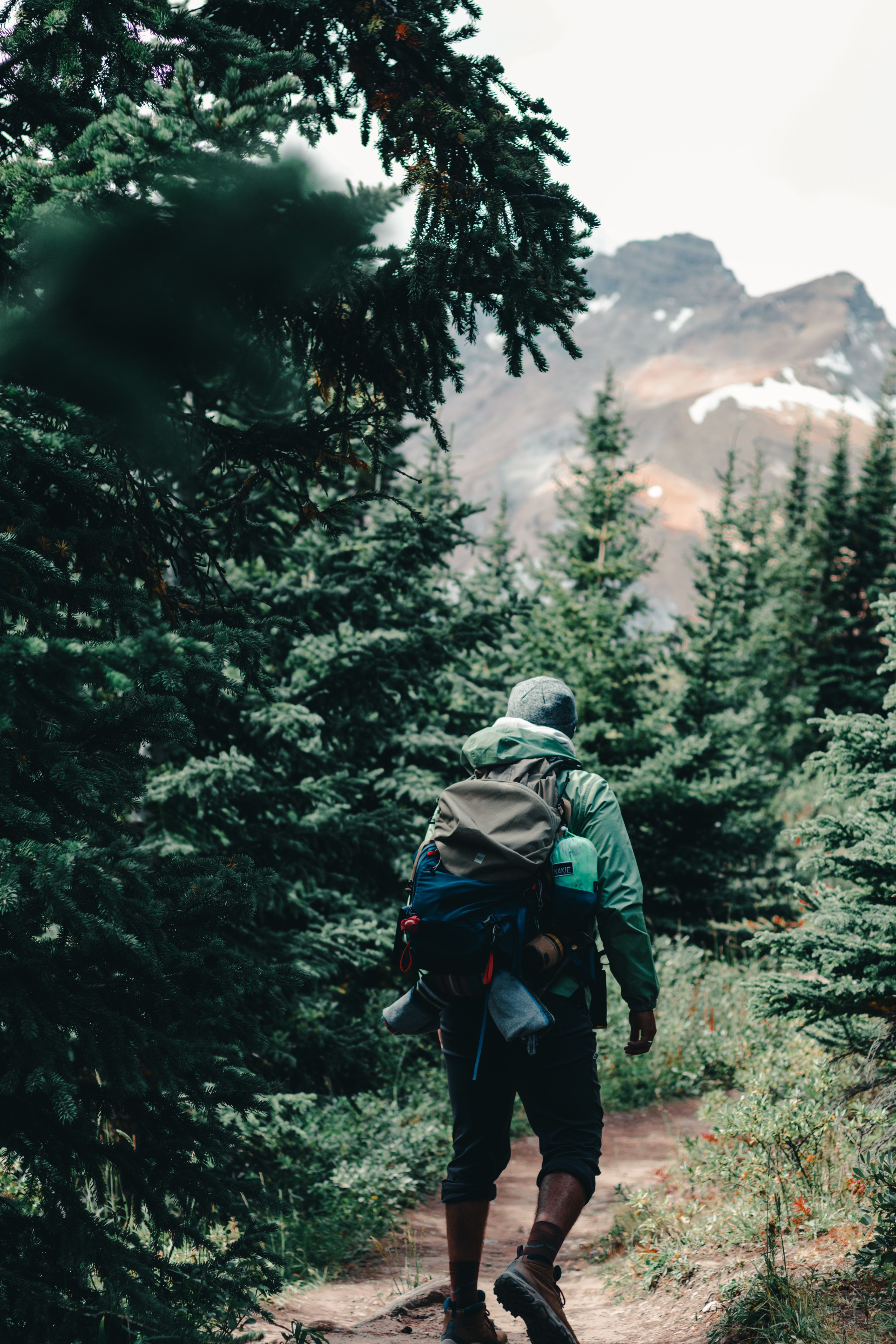
Safer trails, privacy by default.
Hikers stay informed on conditions and occupancy. Everyone is protected anonymously — no app, no account required.
↳Opt in via the app for extra safety features — always your choice.
 Ali Kazal